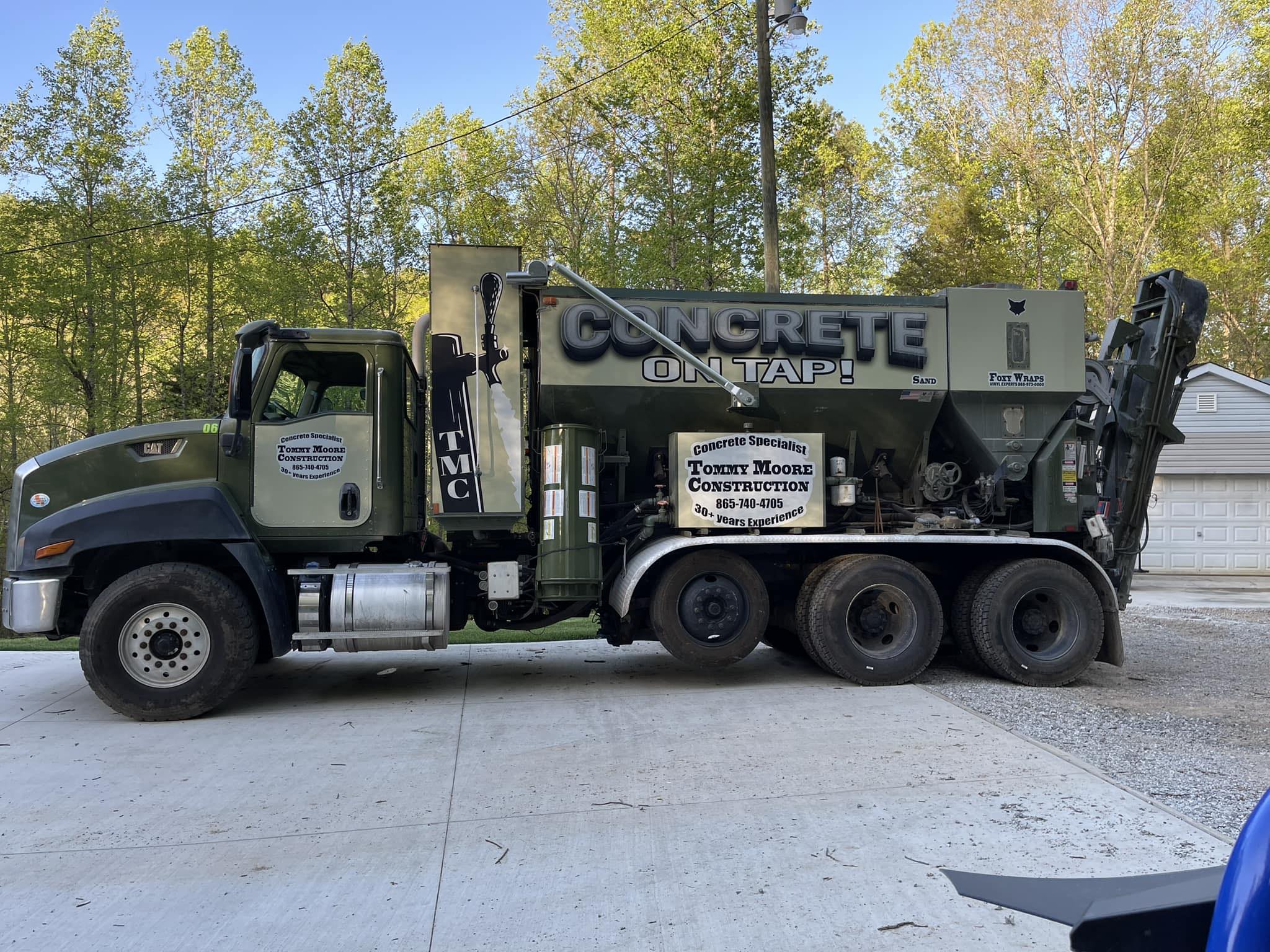
Understanding the Lifespan of Concrete Structures and How to Extend It Dec 15, 2025
When we look at the lifespan of concrete structures, several key elements come into play. Typically, concrete can last anywhere from 50 to 100 years, depending on environmental conditions, quality of construction, and maintenance practices. Environmental factors such as exposure to harsh weather, humidity, and chemical reactions can significantly impact concrete durability. Coastal areas, with high salinity and moisture, often witness accelerated wear and tear due to these conditions. It's crucial to consider these variables during the planning phase to ensure longevity.
Quality of materials and construction practices also have a profound impact on concrete longevity. Using high-grade materials and adhering to construction best practices can mitigate common issues like cracking or spalling. Tommy Moore Construction emphasizes the importance of selecting the right mix of materials and employing skilled professionals to ensure the construction process meets industry standards. This not only extends the lifespan of the structure but also enhances safety and overall performance.
One of the most effective ways to extend the lifespan of concrete structures is through proactive maintenance. Regular inspections can identify early signs of damage, preventing minor issues from developing into significant structural problems. Sealants and coatings can be applied to concrete surfaces to protect against moisture ingress and chemical exposure, thus enhancing durability. These protective layers act as a barrier, reducing the risk of deterioration and corrosion.
Crack repair is another important maintenance task. Small cracks, if left unchecked, can expand over time, compromising the structural integrity of your building. It's advisable to address these issues promptly with appropriate repair methods. At Tommy Moore Construction, we recommend using epoxy injections or flexible sealants for effective crack management, ensuring your structures remain robust and secure.
In addition to traditional maintenance techniques, incorporating modern technology can also play a vital role. Systems such as cathodic protection and embedded sensors provide real-time monitoring of concrete health. These technologies offer insights into potential weaknesses or stress points, allowing for timely interventions before significant harm occurs.
Ultimately, extending the lifespan of concrete structures involves a combination of thoughtful planning, quality craftsmanship, and diligent maintenance. By understanding the factors that influence concrete longevity and implementing strategic practices, you can optimize the performance and lifespan of your investment. At Tommy Moore Construction, we are committed to guiding you through each step of your project, ensuring that every concrete structure we build not only meets but exceeds your expectations in terms of durability and efficiency.
In conclusion, concrete's longevity is not solely dictated by its initial construction but also by how well it is maintained over time. By understanding and implementing these strategies, you can significantly prolong the life of your structures, ensuring they continue to serve their purpose for decades. Whether you are planning a new project or maintaining an existing one, Tommy Moore Construction is here to provide expert guidance and solutions tailored to your needs.
/filters:no_upscale()/filters:format(webp)/media/2096757a-7c33-4094-9dff-2630e185039a.jpeg)