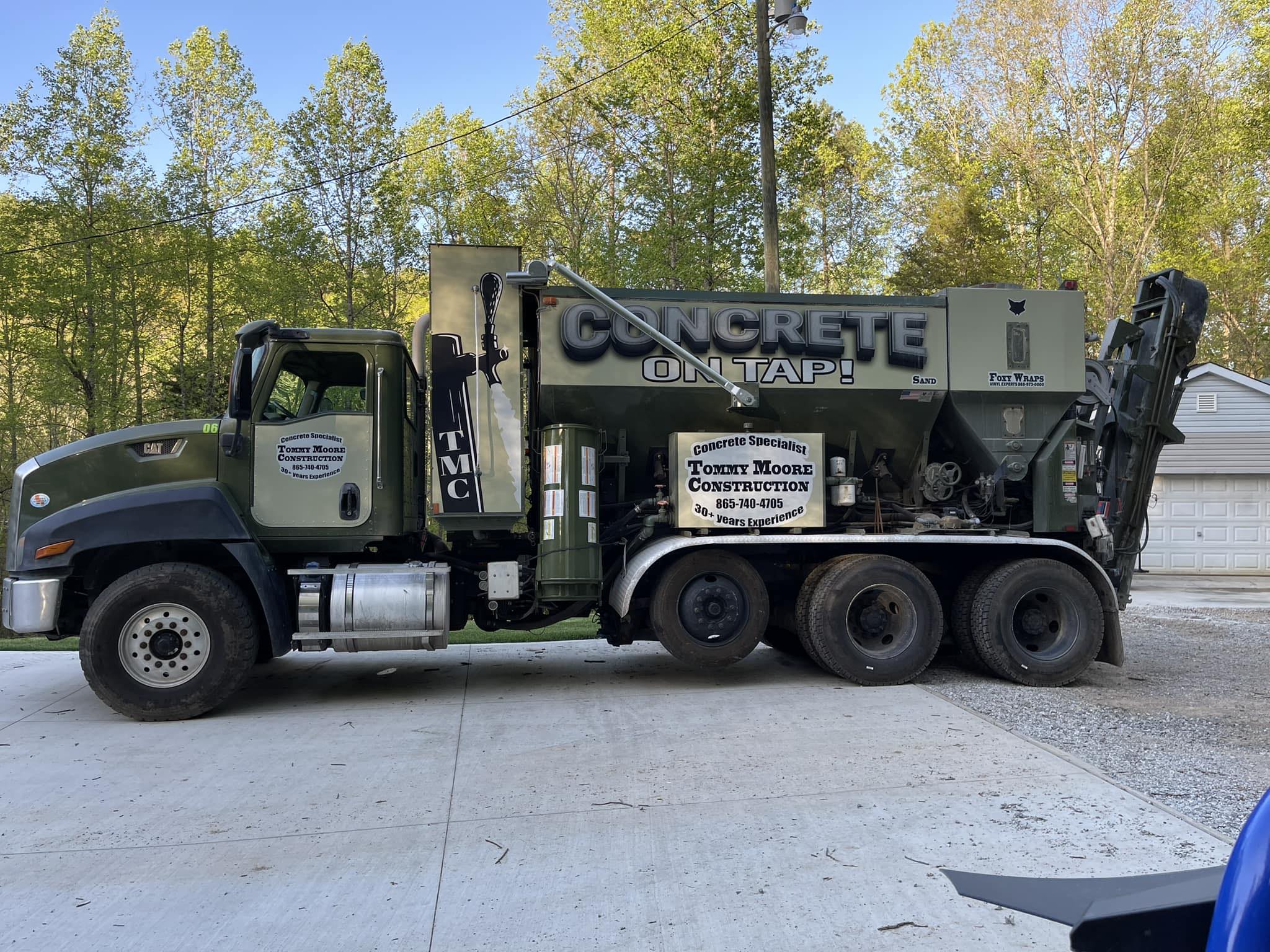
Understanding the Impact of Concrete Curing on Longevity Dec 03, 2025
Concrete curing is essentially the process of maintaining adequate moisture, temperature, and time to allow the concrete to achieve its desired properties for its intended application. This controlled environment helps the concrete develop its full potential in terms of strength and durability. Failure to cure concrete properly can lead to surface crackling, reduced strength, and increased permeability, all of which can compromise the structural safety and longevity.
The first factor in successful concrete curing is moisture retention. Keeping the concrete surface damp prevents the mixture from losing too much water through evaporation. Water is a crucial part of the chemical reaction known as hydration, which cements particles into a solid mass. If water evaporates too quickly, this process can halt prematurely, leading to weak spots within the concrete. Therefore, covering the concrete with a plastic sheet or employing a curing compound can help retain essential moisture, ensuring hydration continues unimpeded.
Temperature also plays a vital role in concrete curing. While prolonged exposure to high temperatures can accelerate the drying out process and lead to cracking, extremely cold conditions can hinder the hydration process altogether. The ideal temperature range for curing concrete is between 50°F and 77°F. However, if the weather conditions are extreme, adjustments such as using thermal blankets or windbreaks may be necessary to maintain a steady curing temperature.
Time is the third critical factor in the curing process. Although concrete gains 70 percent of its strength within the first week, it's essential to remember that the strength development process continues for months. Ideally, the curing process should last for a minimum of 7 days under normal conditions. During this time, the concrete should be kept hydrated and at optimal temperatures to promote maximum strength and durability.
One common question that clients of Tommy Moore Construction may have is: what methods can be adopted to ensure effective curing on site? Besides the moisture retention strategies previously mentioned, other techniques include spraying water or using wet coverings like burlap to keep the concrete damp. In addition, liquid curing compounds can be applied to form a continuous moisture barrier, thus enhancing the curing process efficiently.
By understanding and implementing effective concrete curing practices, clients can significantly prolong the life of their concrete structures. Not only does this practice maximize the material’s strength and durability, but it also stands as a cornerstone of sustainable construction, reducing the need for frequent repairs and replacements. As a leading concrete service provider, Tommy Moore Construction prioritizes these methods to provide results that stand the test of time.
In conclusion, recognizing the impact of concrete curing is crucial for anyone involved in construction, particularly for those committed to achieving the highest standards of quality and durability. It offers not only higher strength and a longer lifespan for structures but ensures peace of mind knowing that the concrete work is built to last. For those interested in the finest construction results, investing in proper concrete curing is a step that cannot be overlooked.
/filters:no_upscale()/filters:format(webp)/media/2096757a-7c33-4094-9dff-2630e185039a.jpeg)