Transformative Trends: Eco-Conscious Concrete Solutions for Modern Construction Jun 13, 2026
The journey towards eco-friendly construction begins with understanding the transformative trends reshaping the concrete industry. Traditional concrete production is notorious for its carbon footprint, accounting for nearly 8% of global CO2 emissions. However, modern advances provide earth-friendly alternatives, reinforcing the role of concrete in sustainable construction without compromising structural integrity.
One of the most promising trends is the development of "green concrete." This variant cleverly incorporates industrial byproducts such as fly ash or slag, significantly reducing the need for cement, a key source of emissions. By recycling waste materials, the environmental impact is minimized while maintaining the strength and longevity required for robust construction solutions. As a result, green concrete is not only an eco-conscious choice but also cost-effective, often providing savings on raw materials.
In tandem with green concrete, the use of CarbonCure technology is gaining traction. This innovative process involves injecting recycled CO2 into concrete during the mixing phase. The CO2 reacts with calcium ions, forming a mineral that strengthens the concrete and permanently traps the gas. This method is a win-win, as it reduces emissions while enhancing the material's compressive strength. Ultimately, it makes construction safer and more efficient.
Permeable concrete is another groundbreaking solution making waves in sustainable construction. Designed to reduce runoff and promote groundwater recharge, permeable or porous concrete is especially beneficial in urban areas prone to flooding. It allows rainwater to pass through and mitigate stormwater issues, contributing to sustainable urban drainage systems. This property not only benefits the environment but also aligns with growing regulations focused on water conservation and management.
Moreover, self-healing concrete represents a significant leap forward in sustainable design. This type of concrete is embedded with microcapsules containing bacteria, which activate when cracks appear. The bacteria produce limestone, effectively "healing" the cracks and extending the concrete's lifespan. Self-healing concrete reduces the need for frequent repairs, ultimately lowering maintenance costs and resource usage.
Reinforcing these cutting-edge products is an increasing reliance on digital technology to optimize concrete usage in construction projects. Tools like Building Information Modeling (BIM) allow precise calculations, ensuring concrete is used effectively with minimal waste. This strategic application of materials translates to reduced economic and environmental costs, a clear win for eco-conscious builders.
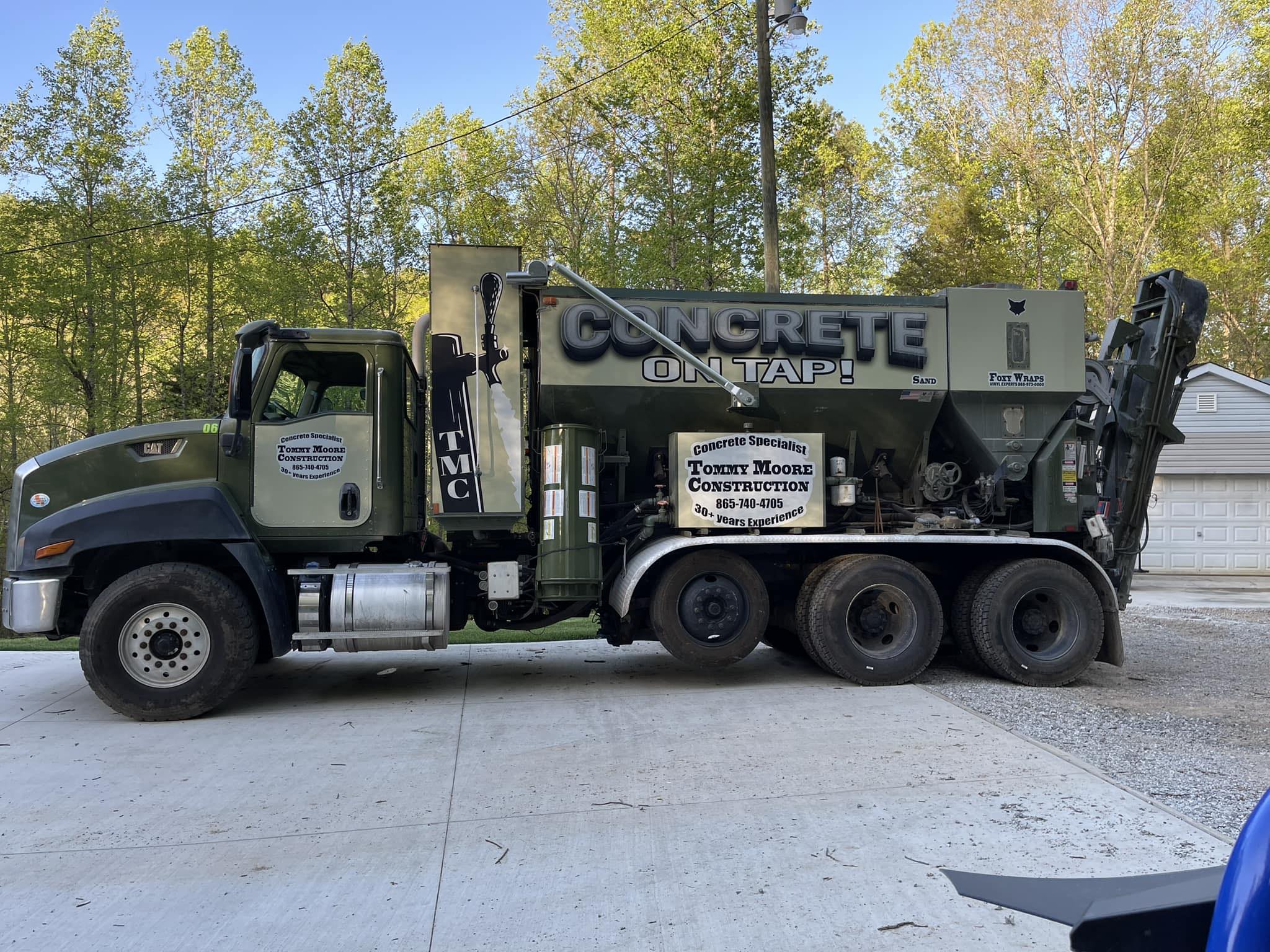
For Tommy Moore Construction, these innovations are not just trends; they are integral components of a commitment to sustainable growth. By incorporating eco-friendly concrete solutions, the company not only meets but exceeds industry standards, setting a benchmark for future-focused building practices. Clients can trust that their projects will stand the test of time while respecting the planet.
In summary, as the construction industry continues to evolve, adopting sustainable concrete solutions is imperative. By championing practices that prioritize both performance and environmental stewardship, companies like Tommy Moore Construction are leading the charge towards a greener future. Homeowners, developers, and policymakers alike can be confident that when they choose such pioneering solutions, they are investing in longevity and sustainability. This dual focus is essential as we build a world that efficiently balances human needs with ecological responsibility.
/filters:no_upscale()/filters:format(webp)/media/2096757a-7c33-4094-9dff-2630e185039a.jpeg)