The Role of Concrete in Sustainable Roadway Innovations Apr 16, 2026
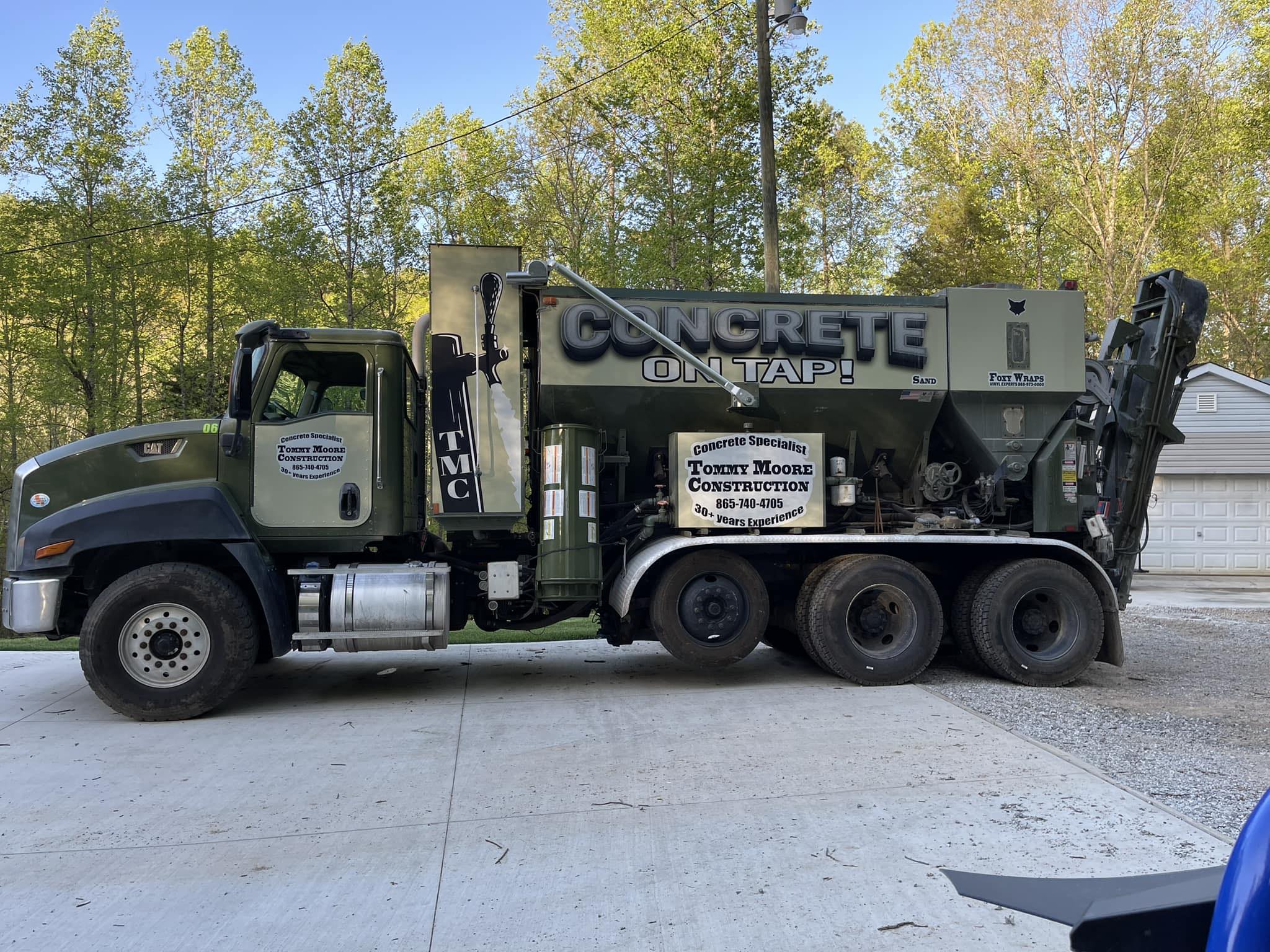
Concrete has been a fundamental material in construction for centuries due to its durability and versatility. Tommy Moore Construction is committed to pushing the boundaries of modern applications for concrete, particularly in making roadways more sustainable. But how exactly does concrete contribute to sustainability, and what innovations are on the horizon?
One of the significant benefits of concrete in roadway construction is its longevity. Concrete roads can last 20-40 years before needing substantial repairs, which is about double the lifespan of asphalt roads. This extended durability reduces the resources and energy associated with maintenance and reconstruction, thereby lowering the overall environmental impact. Using concrete also means fewer emissions from heavy machinery often needed for repairs.
Concrete's thermal mass capabilities present an innovative solution to urban heat island effects. Unlike darker surfaces which absorb and retain heat, concrete can reflect more solar energy, maintaining a cooler temperature on roadways. This contributes not only to cooler metropolitan areas but also enhances fuel efficiency of vehicles due to reduced rolling resistance on less heated surfaces.
The advent of green concrete, made from industrial by-products like fly ash, slag, and silica fume, marks a significant step forward in eco-friendly roadway construction. These materials reduce the carbon footprint of concrete production while maintaining structural integrity and performance. Tommy Moore Construction is committed to integrating such sustainable materials into their projects, helping reduce CO2 emissions and promote recycling and reuse within the industry.
Moreover, research into permeable concrete technology opens further possibilities for sustainability. Permeable concrete allows water to percolate through its surface, reducing runoff, preventing flooding, and recharging groundwater systems. By integrating this into roadway designs, communities can benefit from improved water management and reduced strain on stormwater infrastructure.
In addition, advancements in concrete technology have led to the development of self-healing concrete, embedded with materials that can close cracks automatically. This cutting-edge innovation reduces the need for frequent repairs, thus lowering the environmental toll from construction traffic and machinery emissions.
From an economic perspective, investing in sustainable concrete roadways can lead to substantial cost savings over time. While initial costs may be higher compared to asphalt, the reduced need for maintenance, repairs, and replacement combined with energy efficiencies leads to significant savings for municipalities and developers alike.
Concrete's reliability and environmental resilience make it an ideal choice for the future of infrastructure development. As Tommy Moore Construction pioneers the integration of sustainable practices and innovative materials, the potential for positively impacting the environment and economy grows exponentially.
In conclusion, concrete’s role in sustainable roadway innovations is multifaceted, offering both immediate and long-term benefits. By leveraging its inherent qualities and embracing new technologies, Tommy Moore Construction sets a new standard in the industry, pushing for greener, more durable, and economically viable roads. As we look towards a sustainable future, it is clear that concrete will continue to pave the way forward, fostering a balance between development and environmental stewardship.
/filters:no_upscale()/filters:format(webp)/media/2096757a-7c33-4094-9dff-2630e185039a.jpeg)