The Role of Concrete in Disaster-Resilient Infrastructure Mar 13, 2026
Concrete’s inherent properties make it an ideal choice for infrastructure designed to resist disasters. Its durability and strength are unparalleled, providing a solid foundation capable of absorbing and dissipating energy from seismic events. Unlike other materials that may splinter or crumble, properly reinforced concrete can maintain its integrity, reducing the risk of building collapse during earthquakes. Additionally, concrete's impressive resistance to water makes it exceptionally effective in flood-prone areas. When reinforced with water-repelling sealants, concrete structures prevent water infiltration, safeguarding buildings and roads from flood damage.
For hurricane-prone regions, concrete offers formidable wind resistance. Concrete walls and barriers can withstand hurricane-force winds, shielding inhabitants and essential services from devastation. This reliability is essential, as it helps maintain critical infrastructure during emergency situations, ensuring continued access to shelters and medical facilities. Businesses, homeowners, and local governments can all benefit from incorporating concrete solutions into their disaster preparedness strategies.
Moreover, concrete is a fire-resistant material. In wildfire-prone areas, concrete structures act as firebreaks, offering protection against the spread of flames. This ability to resist fire not only preserves vital infrastructure but also provides peace of mind to communities facing the threat of wildfires.
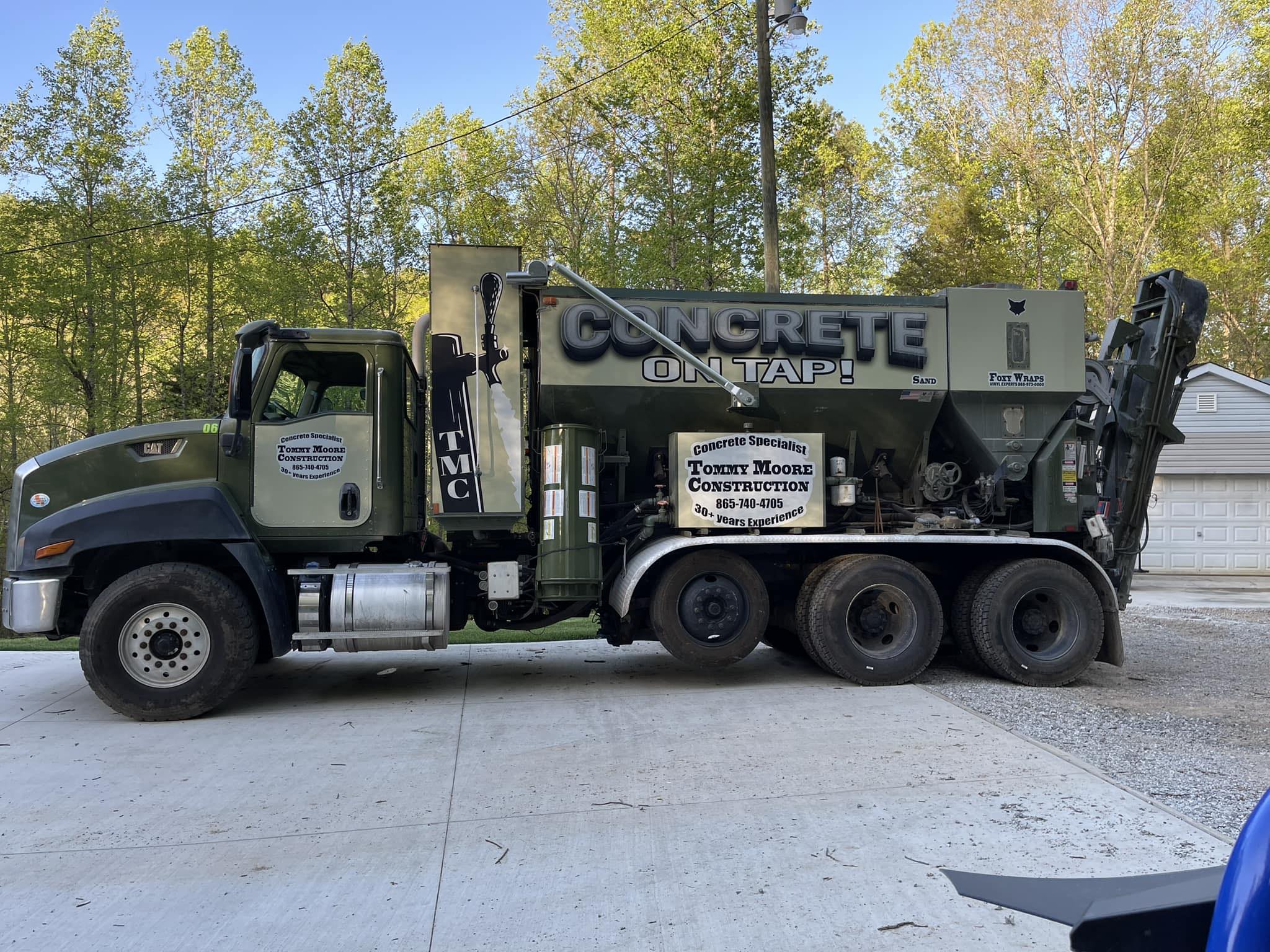
The environmental benefits of concrete further underscore its suitability for disaster-resilient construction. Concrete is highly adaptable, making it versatile for projects of varying scales—from individual homes to large-scale public infrastructure. Its thermal mass reduces the building’s energy requirements, enhancing sustainability while ensuring resilience. As climate change exacerbates weather extremes, sustainable building solutions like those provided by Tommy Moore Construction become even more critical. The company’s expertise in integrating eco-friendly practices into concrete construction not only mitigates environmental impact but also strengthens community resilience.
However, building with concrete alone does not guarantee disaster resilience. Proper design and construction practices are essential to maximize its benefits. Tommy Moore Construction emphasizes the importance of quality craftsmanship and innovative approaches to ensure structures meet and exceed safety standards. Their team of experts conducts thorough site assessments and employs advanced techniques such as post-tensioning and fiber reinforcement, tailored to specific environmental conditions and risks.
In conclusion, concrete’s role in disaster-resilient infrastructure is indisputable. From its unparalleled strength and durability to its resistance against water, wind, fire, and its environmental benefits, concrete stands at the forefront of safeguarding communities against natural disasters. By choosing Tommy Moore Construction, stakeholders invest in the highest level of quality and expertise, ensuring infrastructure that not only withstands the test of time but also offers crucial protection in times of disaster. As we move forward into an era where resilient building practices are no longer optional but essential, partnering with leaders in the industry like Tommy Moore Construction is a proactive step towards a safer, more secure future.
/filters:no_upscale()/filters:format(webp)/media/2096757a-7c33-4094-9dff-2630e185039a.jpeg)