The Future of Eco-Friendly Concrete: Innovations for a Greener Tomorrow May 22, 2026
Concrete is the most widely used construction material, a staple due to its durability and strength. However, traditional concrete production is a significant source of carbon dioxide emissions, contributing to global warming. Fortunately, advancements in sustainable technology are paving the way for more environmentally friendly alternatives.
One of the most exciting innovations is the development of carbon-neutral or carbon-negative concrete. These types of concrete incorporate materials like fly ash or slag, which are by-products of other industries. By using these industrial by-products, not only is the waste reduced, but the need for energy-intensive Portland cement is also decreased, lowering the overall carbon footprint of the concrete.
Another green innovation is the usage of carbon capture technology during the concrete curing process. This process involves capturing carbon dioxide emissions and utilizing them to enhance the concrete's properties. This not only offsets the emissions typically associated with concrete production but also results in a stronger and more durable end product.
Self-healing concrete offers another fascinating glimpse into the future. By embedding capsulated bacteria that produce limestone when exposed to water, minor cracks in concrete structures can repair themselves. This reduces maintenance costs and extends the lifespan of concrete structures, leading to less frequent replacements and further reducing long-term environmental impact.
Permeable or porous concrete is a great solution for urban areas struggling with stormwater management. This type of concrete allows water to pass through, reducing runoff and promoting groundwater recharge. By using permeable concrete in urban planning, construction projects can help maintain natural water cycles and prevent flooding, aligning with broader environmental goals.
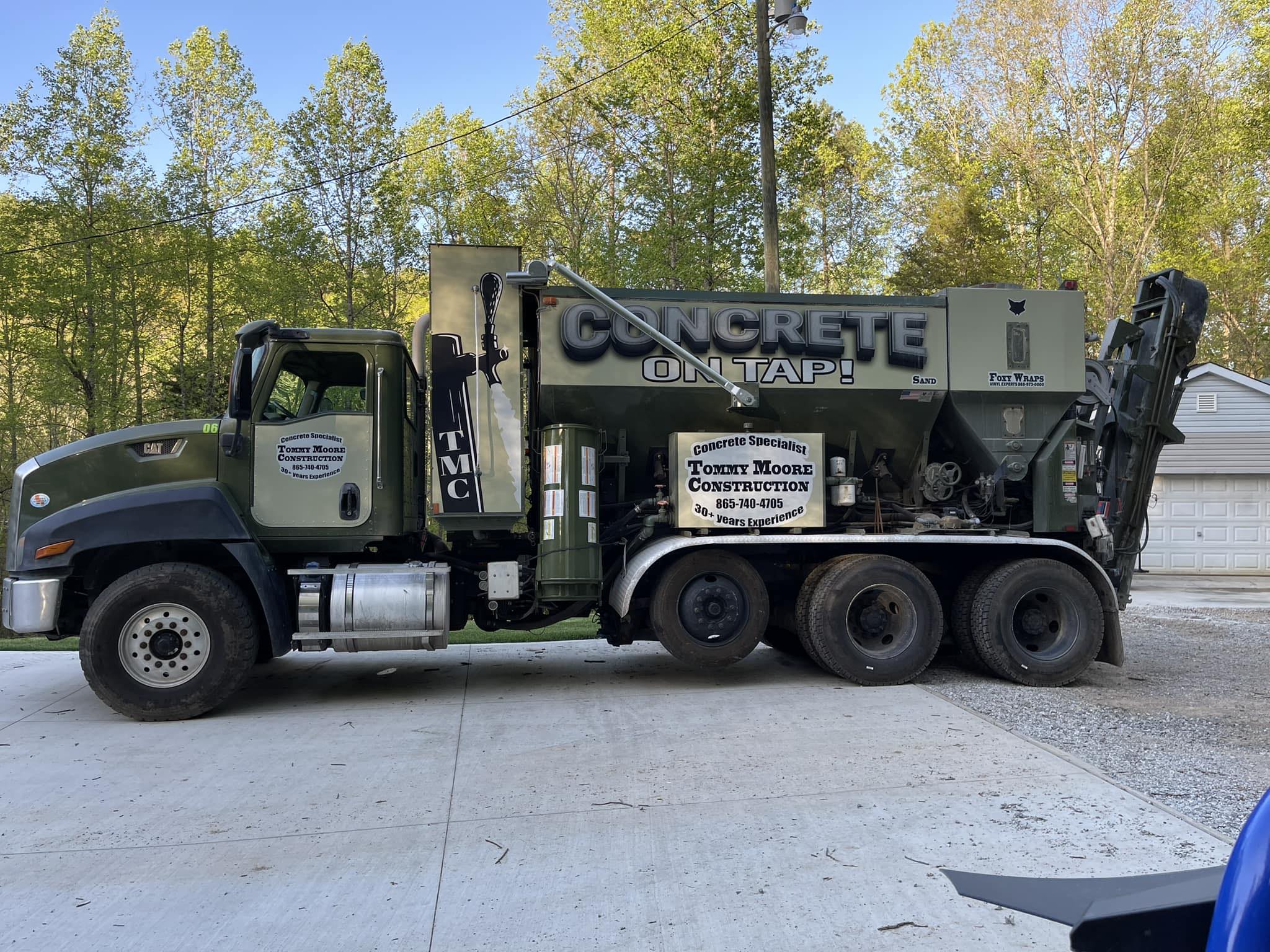
For companies like Tommy Moore Construction, integrating these innovative solutions can significantly enhance project value. By offering eco-friendly concrete options, they can not only meet but exceed current environmental standards, offering clients a modern, sustainable choice for their building needs.
Moreover, using eco-friendly concrete can lead to cost savings in terms of reduced material consumption and maintenance needs. For instance, with self-healing concrete, the lifecycle of structures is significantly extended, providing long-term economic benefits in addition to ecological ones.
It's crucial for the construction industry to embrace these sustainable practices as consumer demand for greener infrastructure grows. At Tommy Moore Construction, adopting these innovations represents not just adaptation to a changing market, but a commitment to leadership in green building practices.
In conclusion, the future of eco-friendly concrete is bright and full of potential. With advancements in materials, carbon capture, and innovative design solutions, the construction industry is poised to make significant strides towards a sustainable future. The companies that embrace these changes, like Tommy Moore Construction, will lead the charge in creating a more environmentally responsible and economically viable construction landscape.
/filters:no_upscale()/filters:format(webp)/media/2096757a-7c33-4094-9dff-2630e185039a.jpeg)