The Evolution of Concrete: From Ancient Techniques to Modern Advancements Jan 21, 2026
Historically, concrete finds its origins as far back as 6500 BC in the regions that are now Syria and Jordan. The earliest known use of concrete was by the Nabataean traders, who used a rudimentary form of the material to construct homes and floors that could withstand harsh desert conditions. This ancient concrete was composed of a mixture of lime, sand, and water. The Roman Empire elevated concrete construction to new heights around 100 BC. They mastered concrete formulations with pozzolana, a volcanic ash, that resulted in robust structures like the Pantheon—an astonishing testament to the durability of Roman concrete, still intact after nearly two millennia.
As concrete technology faded into obscurity after the fall of Rome, it wasn't until the 18th century that the material regained prominence. Innovations during the Industrial Revolution sparked a renewed interest in concrete, leading to the development of Portland cement—a precursor to the modern concrete we know and use today. Named after the Isle of Portland due to its likeness to Portland stone, Portland cement led to a construction boom, driven by its superior binding capabilities and versatility.
Fast forward to the present, and modern concrete technology has taken significant strides fueled by scientific and technological advancements. One of the most notable innovations is the development of reinforced concrete, which incorporates steel reinforcement bars or fibers to create a composite material with improved tensile strength. This advancement has allowed for the creation of taller, more complex structures that are both strong and flexible, shedding light on the skyscrapers that dominate urban skylines.
Today's concrete technology has expanded beyond just strength enhancements. Sustainability and environmental impact have become central to the evolution of concrete. Green concrete, for instance, is an eco-friendly alternative that seeks to reduce the carbon footprint by using industrial waste products like fly ash or slag in place of traditional cement. Additionally, advancements in self-healing concrete have introduced materials that can automatically repair cracks, extending the lifespan and reducing the maintenance needs of concrete structures.
3D printing technology is also revolutionizing the concrete landscape, enabling rapid construction of homes and infrastructure with precision and minimal waste. This emerging technology promises to redefine what is possible with concrete, reducing construction times significantly while allowing for innovative architectural designs that were once thought unattainable.
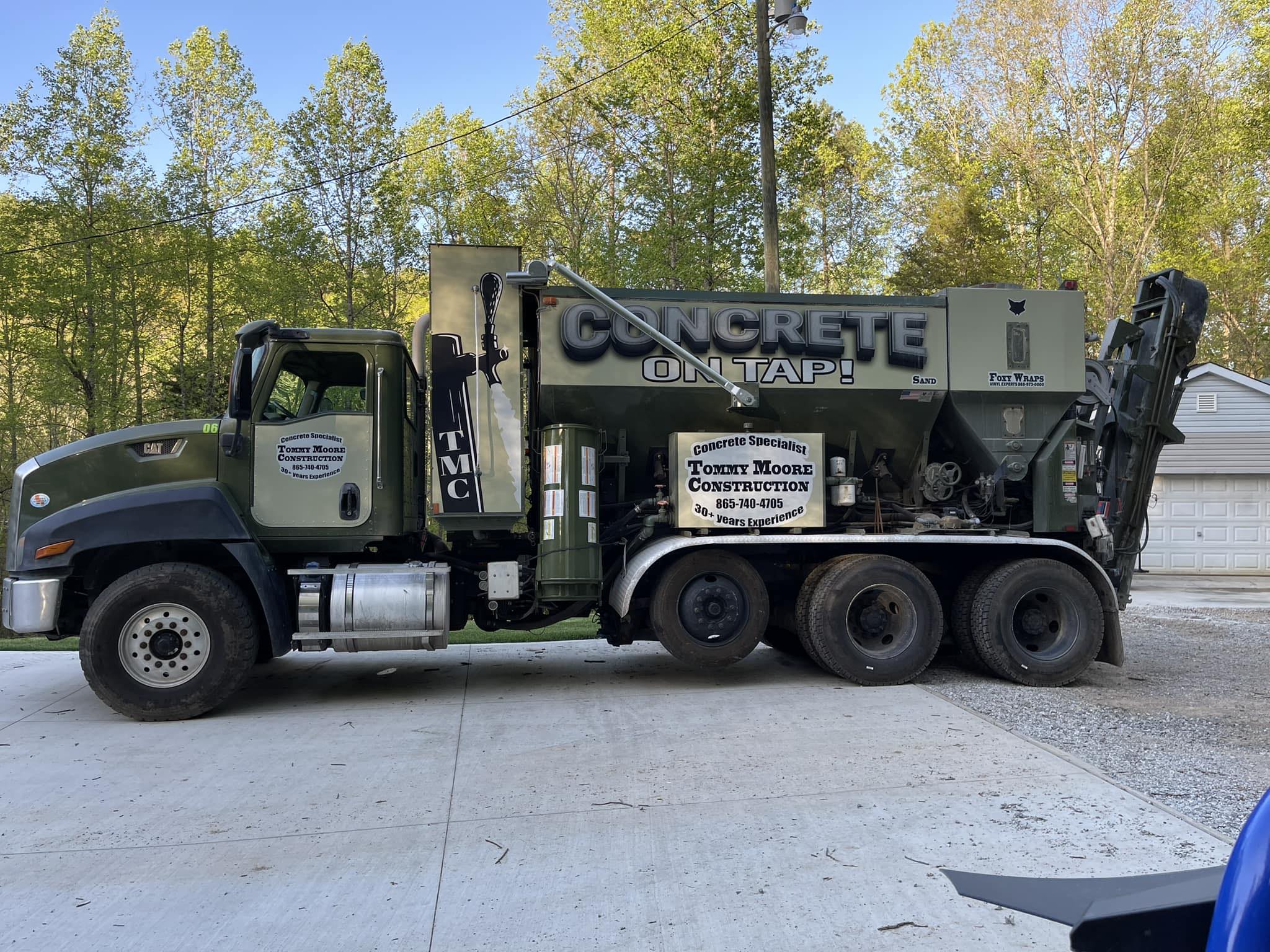
For customers of Tommy Moore Construction, understanding the advancements in concrete technology is essential. It not only provides an appreciation for the durability and versatility of the material but allows for informed decision-making when selecting the right concrete solutions for their projects. Whether it’s building a new driveway, sidewalk, or foundation, Tommy Moore Construction embraces these innovations, ensuring that each project not only meets but exceeds expectations in terms of quality and sustainability.
To conclude, concrete has traversed a remarkable journey from ancient ingenuity to modern marvels of engineering. As technology continues to evolve, so too will the capabilities and applications of concrete, promising a future where the possibilities are limited only by our imagination.
/filters:no_upscale()/filters:format(webp)/media/2096757a-7c33-4094-9dff-2630e185039a.jpeg)