The Benefits of Concrete as a Sound Barrier in Construction Jan 14, 2026
First and foremost, concrete's natural density makes it an exceptional sound insulator. Its innate mass restricts sound wave penetration more effectively than other materials like wood or drywall. The thicker the concrete, the better its ability to dampen sound, making it an ideal choice for urban areas where bustling city noise is a constant concern. This quality is especially beneficial in residential settings, schools, and hospitals, where maintaining a quiet atmosphere is crucial.
Beyond its density, concrete offers longevity that other soundproofing materials might not. Structures built with concrete often require less maintenance over time, ensuring that the soundproofing properties remain consistently effective. This long-term durability means that the upfront investment in concrete can lead to savings down the line, reducing the need for frequent repairs or replacements commonly associated with other materials.
Moreover, concrete's versatility in design allows it to blend seamlessly into various architectural styles without compromising aesthetic appeal. For developers and architects, this means not having to sacrifice style for function. Innovations in concrete applications allow for decorative textures and finishes that can be tailored to the project's specific needs, all while maintaining exceptional acoustic properties.
Another significant benefit of using concrete sound barriers in construction is their environmental impact. Concrete can be sourced locally and often includes recycled materials, making it a sustainable choice. Additionally, its ability to reduce noise pollution contributes positively to the environment, creating a more pleasant and livable atmosphere for communities. In sprawling urban developments, where dozens of projects may dot the horizon, noise reduction is critical for improving quality of life.
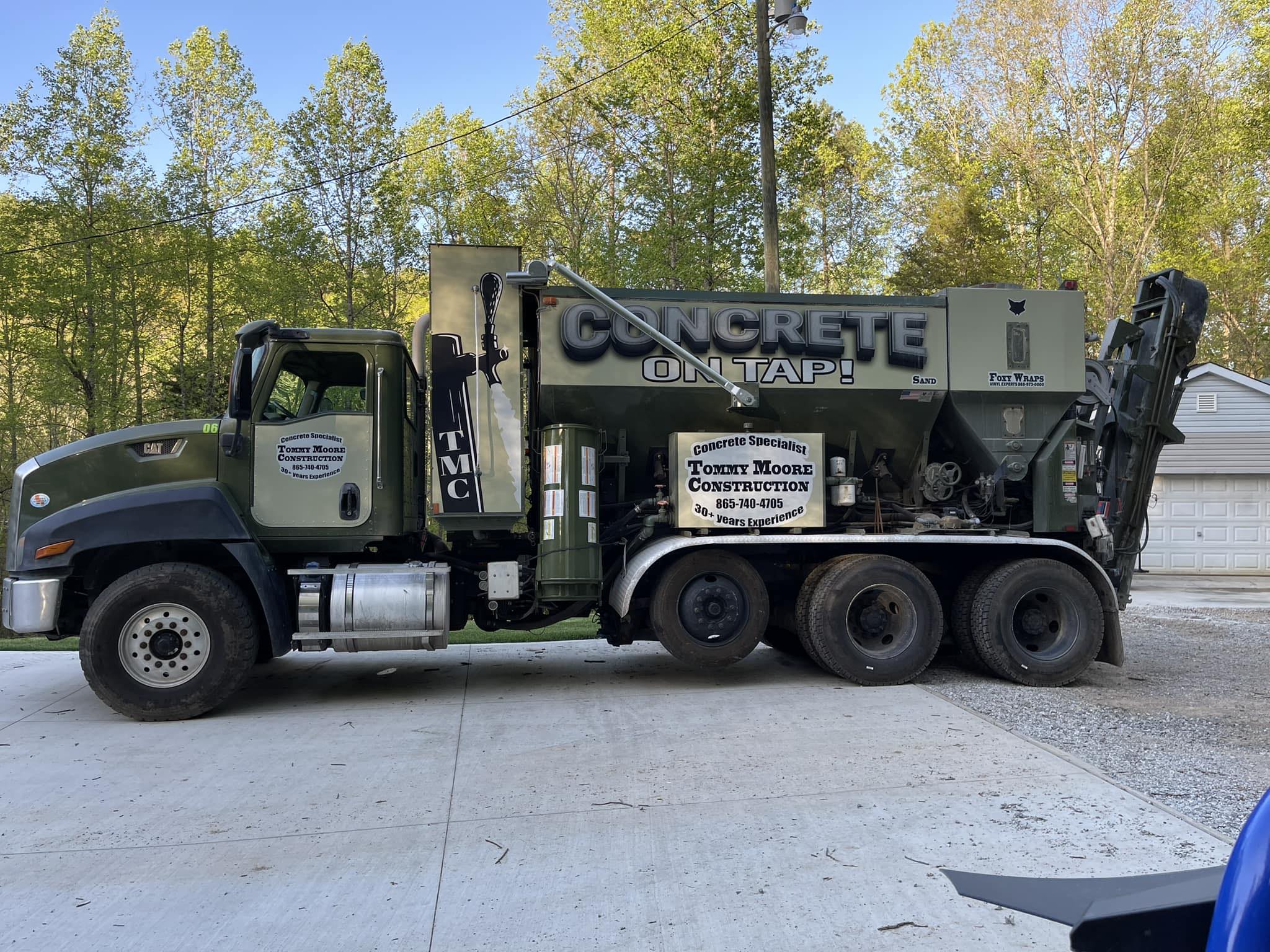
In terms of installation, concrete sound barriers can be prefabricated, meaning sections are manufactured off-site and then transported for assembly. This process not only speeds up construction timelines but also reduces waste on-site, further enhancing the sustainability and efficiency of a project. Companies like Tommy Moore Construction have mastered these techniques, ensuring that they deliver high-quality installations that meet the specific requirements of their clients.
Finally, concrete's fire resistance is an added safety benefit. In the unfortunate event of a fire, concrete's ability to withstand high temperatures without contributing to smoke or toxic fumes provides peace of mind to occupants and builders alike. This characteristic makes it a superior choice in settings where safety cannot be compromised.
In conclusion, the benefits of concrete as a sound barrier in construction are manifold. From unmatched soundproofing capabilities and exceptional durability to design flexibility and environmental friendliness, concrete proves itself to be a superior material choice. For contractors, architects, and developers looking to mitigate noise while ensuring longevity and safety in their constructions, concrete offers a compelling solution. By opting for concrete sound barriers, stakeholders can significantly enhance the livability and sustainability of their projects, making it a wise investment in any construction endeavor.
/filters:no_upscale()/filters:format(webp)/media/2096757a-7c33-4094-9dff-2630e185039a.jpeg)