Sustainable Urban Development: Leveraging Concrete for Green Spaces Mar 27, 2026
The essence of sustainable urban development lies in building spaces that are both environmentally friendly and conducive to human well-being. Concrete, traditionally known for its strength and durability, is now being reimagined to support these green initiatives. One of the key advantages of concrete is its versatility. It can be used in a myriad of forms and finishes, allowing for creativity in design that can incorporate green elements seamlessly into urban spaces.
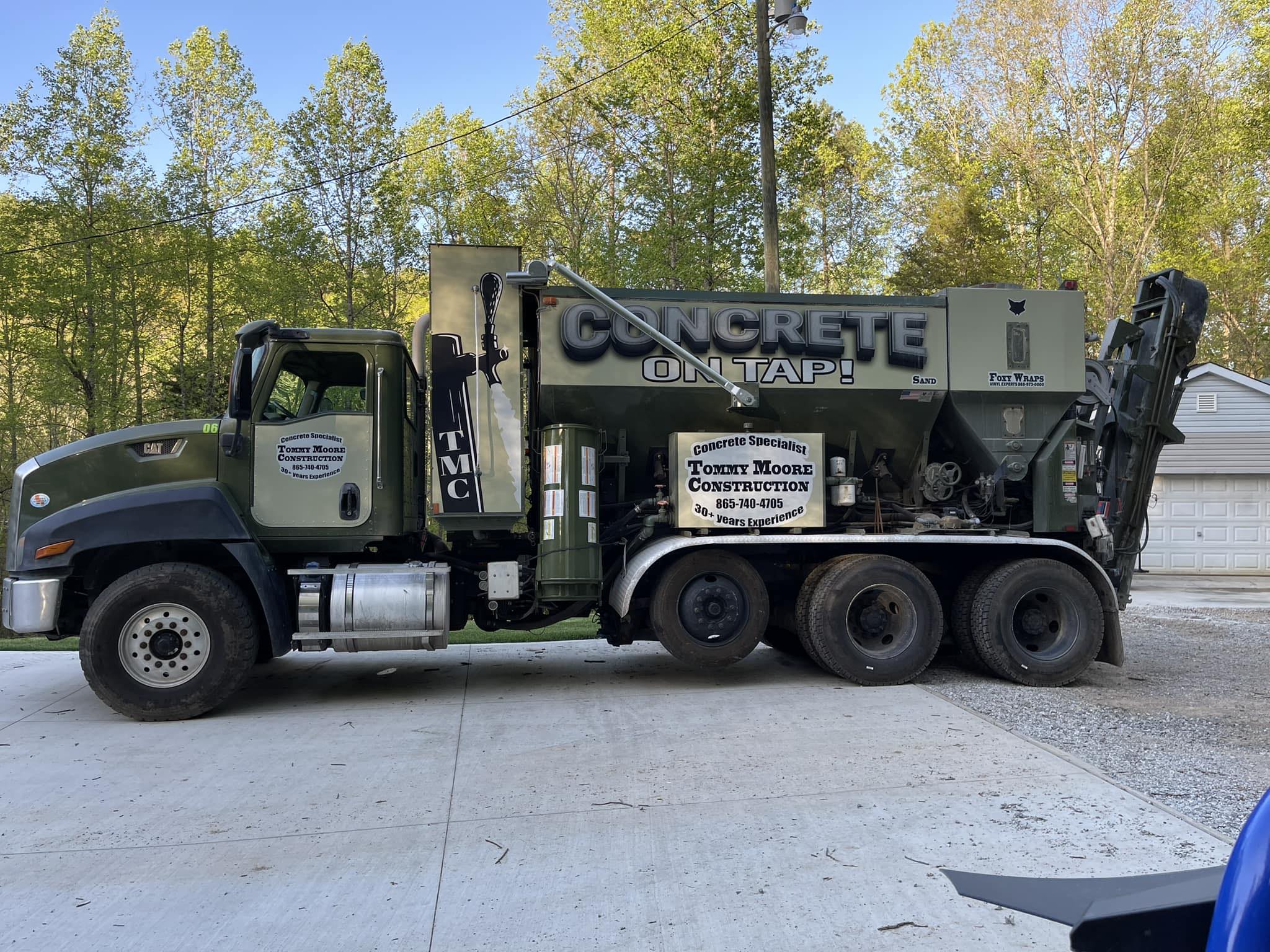
The role of concrete in sustainable development extends beyond mere construction. Concrete is integral in creating green spaces such as parks, pedestrian walkways, and urban gardens. These areas not only enhance the aesthetic appeal of a city but also provide essential benefits such as improved air quality, reduced urban heat, and better stormwater management. Permeable concrete, for instance, allows rainwater to seep through, reducing runoff and helping to replenish ground water – an essential feature in many of Tommy Moore Construction's recent projects.
Energy efficiency is another critical component of sustainable urban development. Concrete buildings provide excellent thermal mass, meaning they can absorb and release heat slowly. This characteristic helps maintain steady indoor temperatures, reducing the need for heating and cooling, and consequently lowering energy consumption. As more cities strive to decrease their carbon footprint, the role of energy-efficient materials like concrete becomes even more significant.
In addition to energy efficiency, the durability and longevity of concrete make it a sustainable choice. Properly constructed concrete structures can last for centuries, requiring minimal maintenance and repair compared to other materials. This longevity reduces the need for frequent rebuilding, thereby conserving resources and reducing waste over time. Tommy Moore Construction emphasizes this durability, ensuring the structures not only meet present needs but also remain functional and sustainable for future generations.
The use of recycled materials in concrete is yet another way Tommy Moore Construction pushes the boundaries of sustainability. By incorporating industrial byproducts such as fly ash or slag, the environmental impact of concrete production is significantly reduced. This practice not only minimizes waste but also decreases the carbon emissions associated with producing new construction materials.
As we move forward in our quest for sustainable cities, the role of innovative companies like Tommy Moore Construction in leveraging concrete for green spaces is invaluable. By prioritizing sustainable practices and materials, these companies are paving the way for healthier, more resilient urban environments. Concrete, with its unique capabilities and adaptability, will continue to play a pivotal role in this transformation, supporting a more sustainable urban future.
In conclusion, the challenge of sustainable urban development requires creative solutions and a reevaluation of traditional materials. Concrete, through its adaptability, durability, and potential for energy efficiency, emerges as a cornerstone of this new green paradigm. As leaders in the industry, Tommy Moore Construction is at the forefront, showcasing how concrete can contribute significantly to sustainable urban landscapes, promoting both ecological and community well-being.
/filters:no_upscale()/filters:format(webp)/media/2096757a-7c33-4094-9dff-2630e185039a.jpeg)