Mastering Underwater Concrete Techniques for Marine Construction Jun 12, 2026
Understanding the complexity of underwater concrete work begins with recognizing the unique challenges posed by marine construction. The constant presence of water can complicate processes, demanding precise attention to the type of concrete used, the method of placement, and environmental factors. The water's pressure, temperature, and salinity are vital considerations that can affect the strength and longevity of the concrete structure.
The choice of concrete mix is the bedrock of underwater concreting. Selecting the right mix, such as anti-washout admixtures, ensures that the integrity of the concrete remains intact during and after placement. These admixtures enhance the cohesion and viscosity of the concrete, preventing it from being washed away by water currents. This is essential for maintaining the desired consistency and structural integrity in water-logged environments.
Placing concrete underwater requires advanced techniques to eliminate air pockets and ensure uniformity. The process commonly employs tremie pipes, which are large-diameter pipes that allow for the controlled delivery of concrete to the site. The tremie method is favored due to its ability to prevent segregation as the concrete is poured into place. The pipe is submerged under the water and filled with concrete, allowing disbursement from the bottom upwards, minimizing any contamination with water.
Pump concreting is another effective technique used in marine construction. This method utilizes high-pressure pumps to convey concrete through pipes to the underwater site. It is particularly useful for large-scale projects where precision and speed are critical. Pumped concrete is characterized by its rapid application and reduced risk of contamination, making it a go-to method for many marine construction professionals.
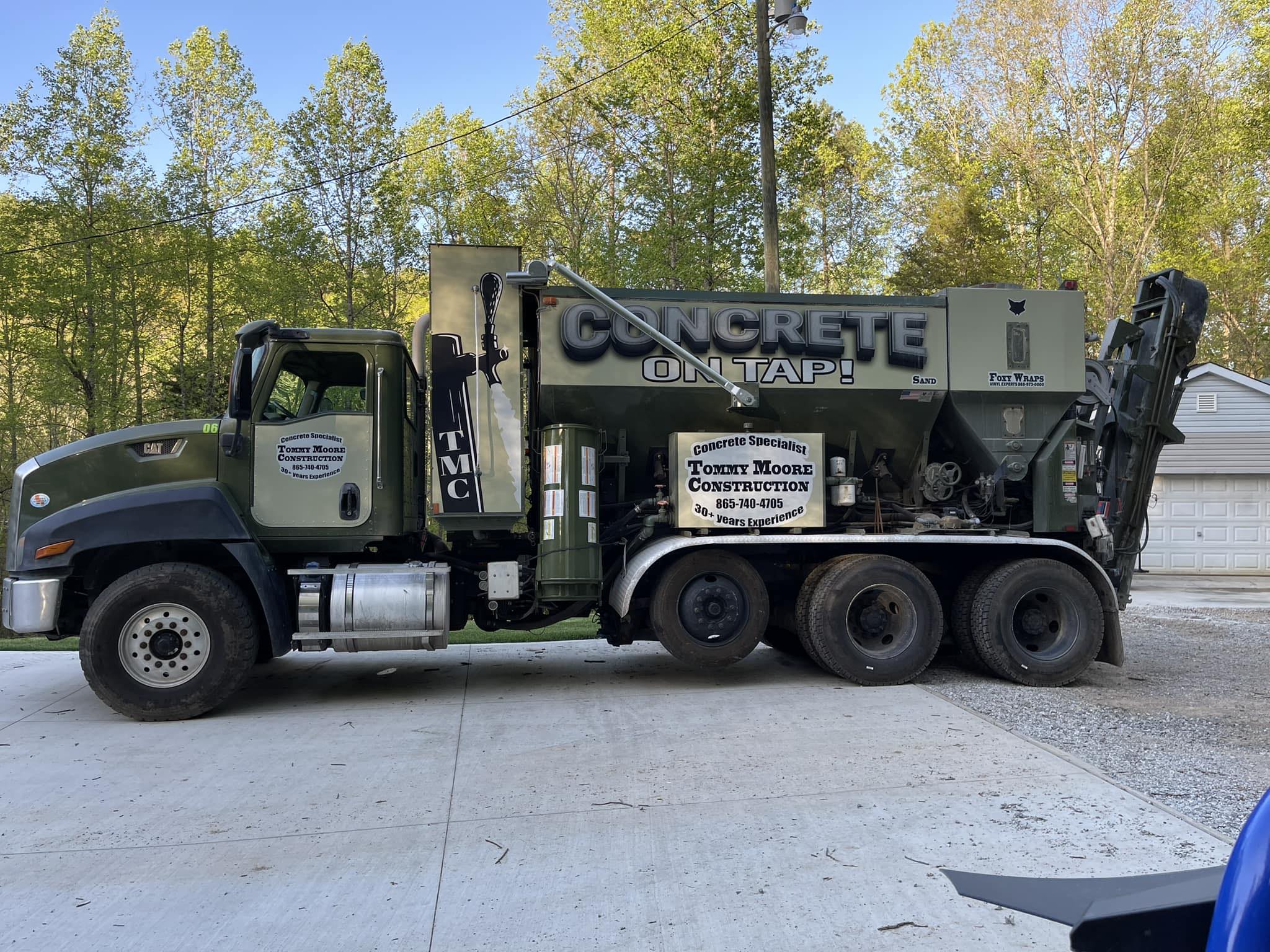
Ensuring safety and quality in underwater concreting is paramount. Regular site inspections and compliance with marine construction standards are necessary to address potential hazards and environmental concerns. At Tommy Moore Construction, our commitment to safety and regulatory adherence ensures that each project meets the highest quality standards. Our team undertakes thorough risk assessments and employs state-of-the-art technology to monitor structural integrity throughout construction.
Environmental considerations play a significant role in underwater concrete work. It is vital to ensure that the processes and materials used do not negatively impact marine ecosystems. Our focus at Tommy Moore Construction is on sustainable practices that protect aquatic life while delivering exceptional construction outcomes. By choosing eco-friendly materials and techniques, not only do we adhere to environmental regulations, but we also contribute positively to our marine environments.
In conclusion, mastering underwater concrete techniques is essential for any successful marine construction venture. At Tommy Moore Construction, we pride ourselves on delivering exceptional underwater concreting services that combine innovation with environmental responsibility. By utilizing the right materials and advanced techniques, our customers can be assured of reliable and durable underwater structures that stand the test of time. Whether you're embarking on constructing docks, bridges, or other marine infrastructure, our expertise ensures your project will be in capable hands, setting a solid foundation beneath the waves.
/filters:no_upscale()/filters:format(webp)/media/2096757a-7c33-4094-9dff-2630e185039a.jpeg)