How Weather Conditions Affect Concrete Curing and Tips to Mitigate Impact Dec 20, 2025
Concrete curing is the process that allows concrete to achieve its optimal strength and durability. This critical phase occurs right after the pouring and finishing processes. During curing, concrete undergoes a complex chemical reaction known as hydration, which requires specific environmental conditions to proceed effectively. Variations in weather, such as temperature, humidity, and wind, can significantly influence these conditions, potentially affecting the outcome.
High temperatures can speed up the hydration process, causing the concrete to dry too quickly. This rapid evaporation can lead to cracking and a reduction in the concrete's strength. On the other hand, low temperatures can slow down the curing process, preventing the concrete from reaching its required strength in a timely manner. Meanwhile, high humidity levels may ideally benefit curing due to reduced evaporation rates. However, excessive moisture can lead to issues like scaling if it begins to freeze under certain conditions.
Wind is another factor to consider. It can exacerbate the risks associated with both high and low temperatures by increasing the evaporation rate, which is undesirable for optimal curing. Ideally, a stable, moderate environment with minimal wind and temperatures between 50 to 70 degrees Fahrenheit facilitates the best curing conditions.
To counteract these varying elements, several strategies ensure successful concrete curing regardless of weather conditions. For instance, in hot or windy environments, covering concrete with curing blankets or plastic sheeting helps retain moisture, preventing rapid drying that can weaken the structural integrity. In cold conditions, heated enclosures or the application of curing compounds can help maintain appropriate temperature levels, allowing the concrete to cure adequately.
Using a suitable curing method tailored to specific weather conditions is vital. In warm and dry climates, continuously keeping the surface moist, either through soaking or using a misting spray, can prevent premature drying. Contrastingly, in colder settings, the installation of insulating covers or heated curing is beneficial to maintain activity within the concrete.
Moreover, starting with the right mix design tailored to predicted weather conditions can be a proactive measure. Admixtures that modify the setting time and enhance workability can offer flexibility and control during unanticipated weather changes. Additionally, timing the pour to align with favorable weather forecasts can limit potential weather-induced inefficiencies during the curing phase.
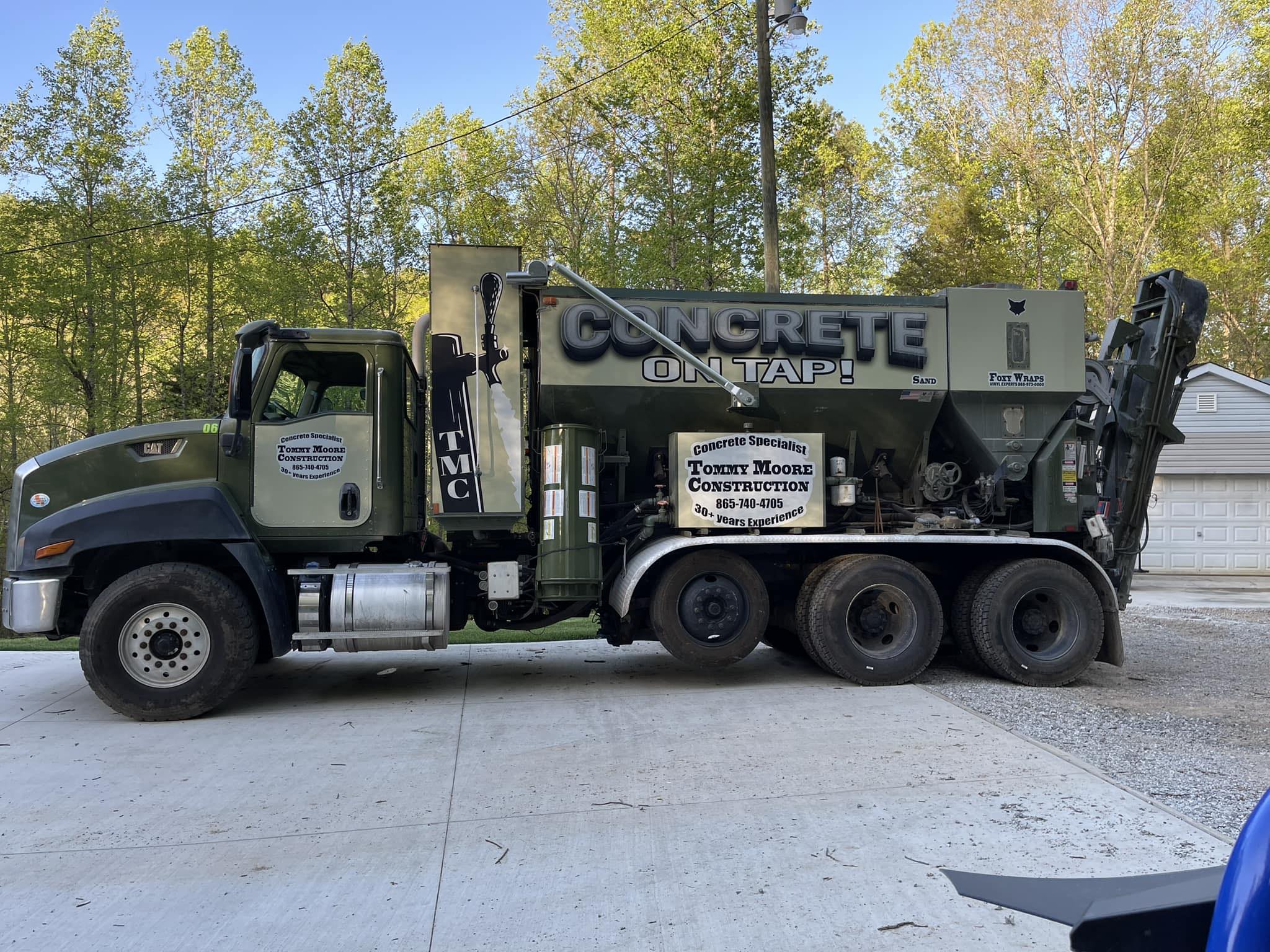
Ensuring that your concrete projects reach their full potential doesn't have to be at the mercy of unpredictable weather. At Tommy Moore Construction, our expertise in concrete services combines technical skill with environmental awareness to ensure that every project stands firm and endures. By understanding the interplay between concrete curing and weather conditions, our clients can rely on resounding, long-lasting results.
Partner with us to transform your construction endeavors with confidence, knowing that your concrete will set not just to survive but thrive, regardless of Mother Nature's whims. Whether you require advice for a new project or solutions to enhance existing structures, Tommy Moore Construction is here to ensure your peace of mind through dedicated concrete expertise.
/filters:no_upscale()/filters:format(webp)/media/2096757a-7c33-4094-9dff-2630e185039a.jpeg)