Exploring the Role of Concrete in Historical Restoration Projects Mar 30, 2026
Concrete is a crucial material in historical restoration due to its capacity to mimic the original building materials used in structures centuries old. At the heart of these projects is the need to retain the authenticity of historical buildings while adhering to modern safety and durability standards. By understanding the unique properties of concrete, restoration specialists can repair and replicate elements of historical architecture without compromising their integrity.
The first step in any historical restoration project is a detailed assessment. Restoration teams, alongside architects and historians, analyze the structure to identify areas needing repair or reinforcement. They carefully investigate the original materials and construction techniques used. This analysis often reveals that concrete, in its earliest forms, was a prominent material. Known for its strength and adaptability, concrete allows restoration experts to create replicas of deteriorated portions seamlessly, ensuring the new work matches the existing structure.
The role of concrete in historical restoration extends beyond mere repair. In many projects, concrete acts as a supporting framework, working unobtrusively behind the scenes. For instance, when restoring ancient ruins, concrete may be hidden within original marble or stone facades to provide structural support while preserving the building's aesthetic authenticity. This hidden but vital application underscores concrete’s capability to support the weight of history without overshadowing it.
Innovative advancements in concrete technology have further enhanced its utility in restoration projects. Eco-friendly and high-performance concrete blends are now available, reducing environmental impact without sacrificing performance. These modern mixtures can withstand harsh weather conditions, preventing damage that could compromise a historical structure's stability. By selecting the appropriate type of concrete, restoration teams manage to maintain the historical integrity of a building while accommodating contemporary environmental standards.
An essential aspect of concrete restoration is attention to aesthetic detail. Decorative finishes or specific textural qualities are often required to ensure historical accuracy. Advanced staining and scoring techniques enable specialists to recreate the appearance of ancient concrete surfaces, making modern restorations indistinguishable from the original work. This ensures that historical buildings, once restored, continue to tell their stories without noticeable interruption.
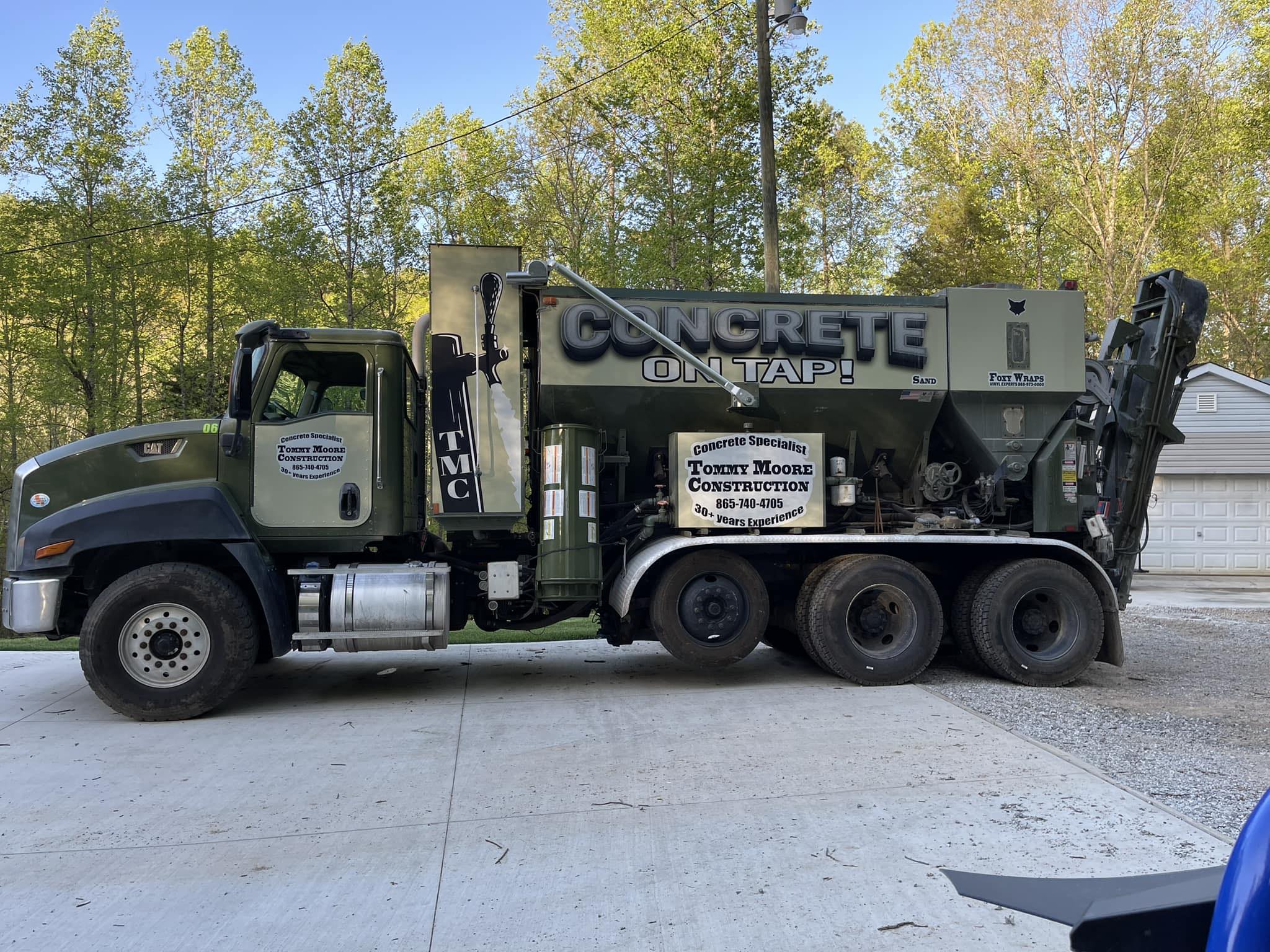
In conclusion, concrete is more than just a construction material; it is a bridge to our history. Tommy Moore Construction excels in utilizing concrete for historical restorations, ensuring that structures retain their historical significance while standing resilient for future generations. Each project serves as a valuable opportunity to celebrate concrete's capability, not only in building new constructs but also in safeguarding our architectural heritage. As we continue to preserve historical structures, the role of concrete remains pivotal, combining the rich textures of history with the technology of today.
Whether you're a historian, architect, or simply someone who appreciates the preservation of history, concrete is a cornerstone that ensures the past is present for years to come. With its adaptability and strength, concrete continues to uphold its legacy in maintaining the world's most treasured historical landmarks.
/filters:no_upscale()/filters:format(webp)/media/2096757a-7c33-4094-9dff-2630e185039a.jpeg)