Building Resilient Foundations: The Science Behind Concrete Stability May 25, 2026
Concrete stability is grounded in its unique composition. At its most basic, concrete is a mixture of cement, water, sand, and gravel. Through a process known as hydration, when water is added to the cement, a chemical reaction occurs. This reaction is what allows concrete to harden and gain strength over time, transforming from a moldable paste to a rock-hard structure. The precision with which this process is managed significantly affects the stability and durability of the concrete foundation.
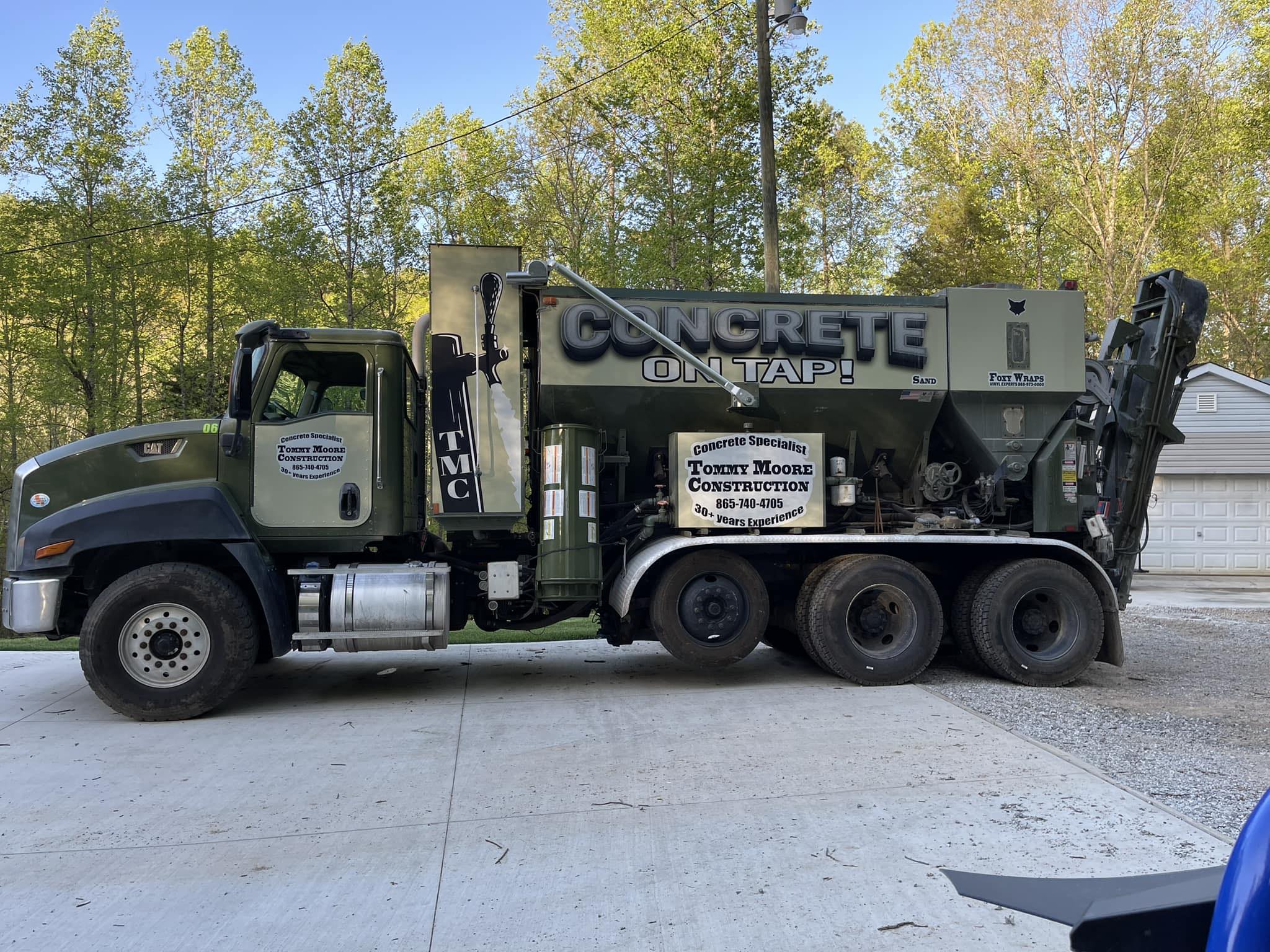
The ratio of water to cement not only affects the concrete's strength but its workability as well. A well-balanced mix ensures the concrete can be effectively poured and shaped without compromising its resilience. Too much water can weaken the mixture, leading to a porous and less durable end product. Conversely, too little water can make the mixture difficult to work with, resulting in unwanted air pockets that can reduce structural integrity. This careful balance is a hallmark of the expertise provided by concrete service companies like Tommy Moore Construction.
Beyond the mixing, the curing process of concrete is essential to its long-term stability. Curing is the process of maintaining adequate moisture, temperature, and time to allow the concrete to achieve its desired strength. During this period, typically spanning over a week, the concrete must be protected from excessive drying and temperature fluctuations. Proper curing prevents cracks, optimizes the concrete's performance, and ultimately extends the lifespan of the structure.
Temperature plays a critical role in concrete's stability. Extreme weather conditions can significantly influence the curing process. Warm temperatures can accelerate hydration, risking uneven curing, while cold conditions can slow down the process, delaying strength gain. Implementing appropriate measures like humidity control and protective coverings can mitigate these effects, ensuring the foundation remains uncompromised.
In terms of structural application, the importance of a solid foundation cannot be overstated. A proper foundation distributes the weight of the building evenly, ensuring structural loads are adequately supported. This prevents any sinking or shifting that might occur due to unstable ground conditions. For large constructions, reinforced concrete, which incorporates steel rebar, becomes essential. The addition of steel increases tensile strength, allowing the concrete to withstand tensile forces that could otherwise lead to cracking.
The expertise offered by Tommy Moore Construction solidifies the reliability and trustworthiness of your foundation. The use of advanced techniques and adherence to industry standards ensures that every project begins with a resilient and robust base.
In conclusion, understanding the science behind concrete stability reveals why it's an indispensable part of building resilient foundations. With meticulous attention to mix, curing, and environmental conditions, concrete provides the solidity your structures demand. Trusting this science to the skilled professionals at Tommy Moore Construction ensures your property stands firm against the test of time. Whether you are planning a new build or reinforcing an existing structure, you can count on the durability and expert craftsmanship that define concrete stability.
/filters:no_upscale()/filters:format(webp)/media/2096757a-7c33-4094-9dff-2630e185039a.jpeg)