Architectural Marvels: The Role of Concrete in Iconic Structures Jun 03, 2026
The journey of concrete began thousands of years ago, with ancient civilizations using rudimentary forms of the material for basic constructions. However, its evolution into a modern architectural staple has opened up limitless possibilities. In recent decades, architects have increasingly embraced concrete for its ability to be molded into various shapes and textures, allowing them to push the boundaries of design.
One of the best examples of concrete's role in iconic architecture is the Sydney Opera House in Australia. This UNESCO World Heritage Site demonstrates how concrete can blend function with stunning aesthetics. The building's distinctive sail-like shells were made possible by innovative pre-cast concrete methods, which allowed for the complex geometry to come to life.
Similarly, the Burj Khalifa in Dubai, the tallest building in the world, exemplifies the strength and versatility of concrete. The building's construction relied heavily on high-performance concrete capable of withstanding the immense pressures of such height. The unique combination of concrete's compressive strength and resilience has enabled this structure to reach unprecedented heights, literally and figuratively, serving as a benchmark for future architectural endeavors.
Concrete's adaptability also shines in more humble settings, proving its efficacy in both grand and modest projects. For instance, in urban areas, concrete is frequently used to create aesthetically pleasing bridges and viaducts that seamlessly integrate into a city's ecosystem while maintaining functional integrity. Its ability to adapt to different urban landscapes showcases its indispensability in contemporary infrastructure.
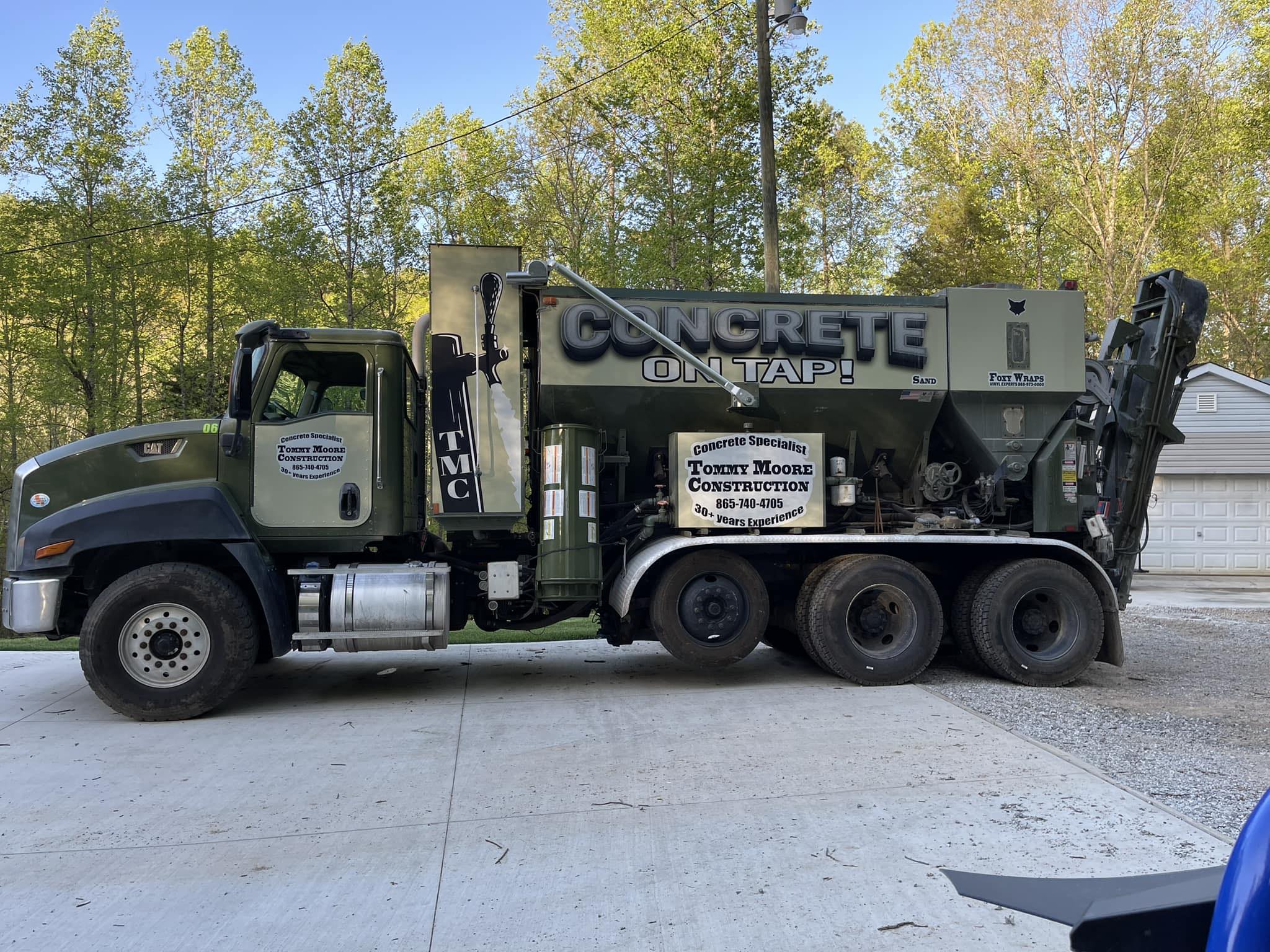
Moreover, the eco-friendly aspects of concrete are gaining recognition as sustainability becomes a focus for modern architecture. Innovations like the development of carbon-reducing concrete offer a glimpse into a future where architecture can be both stunning and responsible. This is particularly significant for firms like Tommy Moore Construction, which prioritize both design excellence and environmental impact.
For homeowners and business owners considering concrete for their next project, it's worth consulting with experts who understand both the material and its potential applications. Designers and contractors can help you explore ways to incorporate concrete’s strength and elegance into your homes or offices, tapping into its ability to offer customized solutions that are both durable and stylish.
In conclusion, concrete's role in iconic structures is undeniable. From avant-garde designs to practical urban construction, its versatility makes it an invaluable asset to architects and builders worldwide. For those involved in construction and design, following in the footsteps of these monumental projects can inspire new and innovative uses of this timeless material. Companies like Tommy Moore Construction stand at the forefront of these advancements, ready to bring architectural visions to life with cutting-edge concrete solutions. Whether looking to create a distinctive monument or a practical urban structure, concrete remains at the heart of architectural innovation.
/filters:no_upscale()/filters:format(webp)/media/2096757a-7c33-4094-9dff-2630e185039a.jpeg)