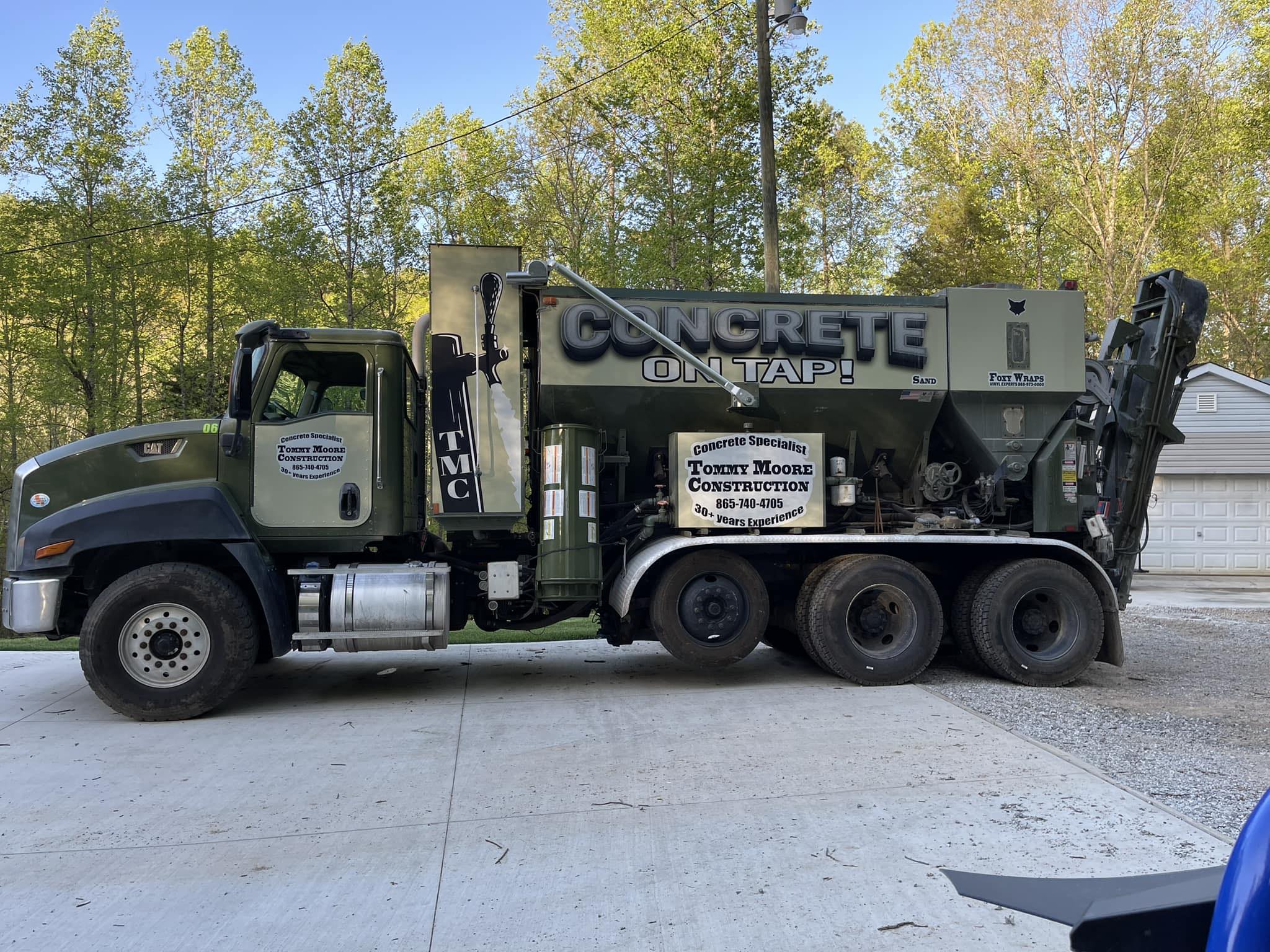
A Guide to Effective Concrete Pouring and Finishing Techniques Jan 07, 2026
To start with, understanding the importance of the right mix is crucial for a successful concrete pour. The water-to-cement ratio significantly affects the concrete's strength and durability. A too-wet mix might ease the pouring process but can lead to cracking and shrinkage later. Conversely, a too-dry mix may be challenging to work with and result in weak concrete. Therefore, achieving the right balance is key. Consulting with professionals at Tommy Moore Construction ensures that you leverage years of expertise, guaranteeing an optimal mix for your specific needs.
Preparation of the site is another essential step before any concrete pouring. Begin by clearing the area of debris, rocks, and vegetation. Level the surface and set up proper formwork to keep the concrete in place as it cures. Formwork not only shapes the concrete but also prevents it from spilling. Reinforcement with steel bars or meshes, particularly in load-bearing areas, enhances the structural integrity of the finished product. Adequate site preparation is vital in preventing common issues such as uneven surfaces or unsightly bulges.
Timing is an essential factor when it comes to pouring concrete. Pouring should be done continuously and efficiently to maintain a consistent layer without weak spots. It's important to account for weather conditions during the pour, as extreme temperatures can adversely affect the curing process. Cold weather can delay curing, while heat can increase the rate too quickly, potentially leading to cracking. Using a weather forecast or partnering with an experienced concrete service company can help you plan your pour under optimal conditions.
Once the concrete is poured, finishing begins. Finishing techniques depend on the desired texture and appearance of the surface. For a smooth finish, screeding the concrete shortly after pouring will level the surface. Once screeded, troweling gives the concrete its final smoothness. Troweling must be done with care to avoid overworking the surface, which can cause flaking. For decorative finishes, such as stamped or exposed aggregate, timing and technique are everything. Waiting too long can make it difficult to achieve the desired patterns, while starting too early can mar the surface.
Curing is the final, yet perhaps most crucial, step in ensuring the longevity of your concrete project. Curing allows the concrete to develop strength and durability over time. It involves maintaining adequate moisture, temperature, and time. Cover the concrete with wet burlap or plastic sheeting to prevent moisture loss, especially in dry or hot conditions. A curing compound can also be applied to retain moisture.
In conclusion, effective concrete pouring and finishing require meticulous attention to detail, from mixing to curing. By understanding and implementing these techniques, you can ensure the success of your project. However, due to the complexities involved, collaboration with an experienced team like Tommy Moore Construction can provide invaluable expertise and guidance, guaranteeing results that are both functional and aesthetically pleasing. Whether it's a small patio or a large commercial project, we are dedicated to delivering exceptional quality that stands the test of time.
/filters:no_upscale()/filters:format(webp)/media/2096757a-7c33-4094-9dff-2630e185039a.jpeg)